

What happens when one missing tooth creates a gap that seems small but affects nearly everything around it? The neighboring teeth may begin to shift, chewing may feel less balanced, and certain foods may become harder to enjoy. A missing tooth can create a surprisingly large change in everyday dental function. Fortunately, dental bridges offer a proven way to fill that space and restore a more complete, comfortable smile.
At Summit Family & Cosmetic Dentistry, patients can explore restorative dentistry solutions designed to rebuild damaged or missing teeth. Dental bridges are one of the options available for replacing missing teeth without requiring a removable appliance.
A bridge is designed to look like part of your natural smile while helping restore chewing and speaking. With careful planning, the replacement tooth can blend with the surrounding teeth and provide stable everyday function.
What Are Dental Bridges?
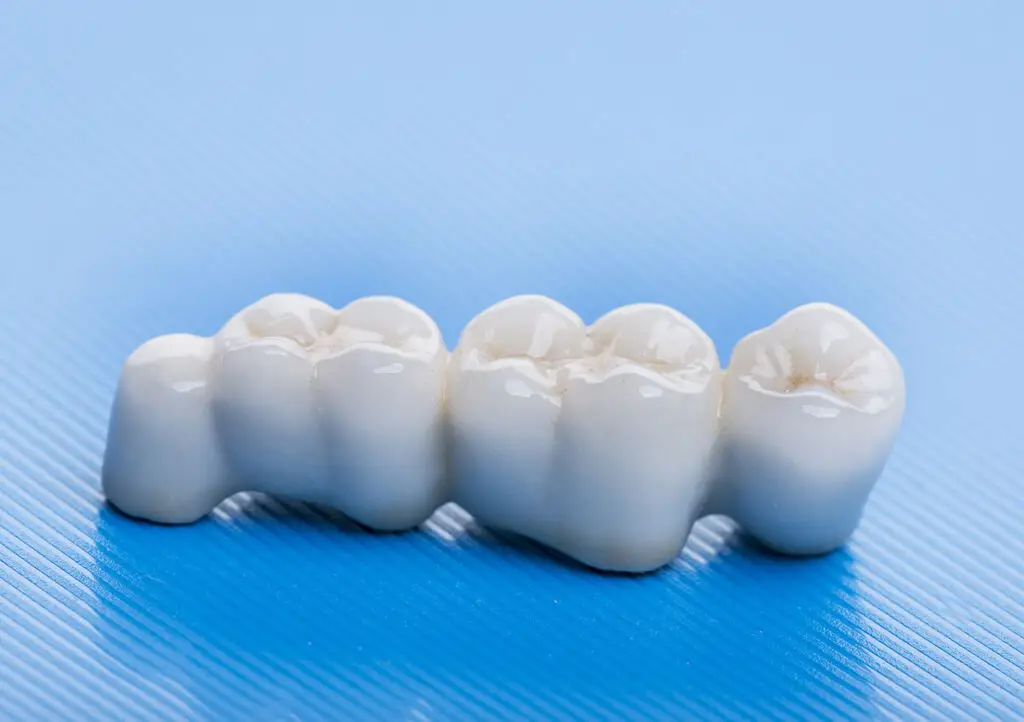
Dental bridges are fixed dental restorations designed to replace one or more missing teeth. A traditional bridge generally consists of a replacement tooth, called a pontic, supported by crowns placed on neighboring teeth.
The bridge is permanently attached rather than being removed by the patient. This gives it a different feel from a partial denture. Instead of taking the restoration out at night, you care for it as part of your regular dental routine.
There are several types of bridges, and the best design depends on the location of the missing tooth, the condition of surrounding teeth, your bite, and your overall oral health.
Why A Missing Tooth Should Not Be Ignored
When a tooth is missing, the teeth around the gap may begin to move. Teeth are naturally influenced by the forces created when you chew, and a new open space can change how those forces are distributed.
That shifting can affect the bite. It may also make cleaning certain areas more difficult. In addition, a missing tooth can reduce chewing efficiency and alter how food is distributed throughout the mouth.
Dental bridges help fill the open space so the surrounding teeth have a more complete dental environment. Restoring the missing tooth can also make everyday chewing feel more natural.
When Are Dental Bridges Recommended?
Dental bridges may be recommended when one or more teeth are missing and the surrounding teeth provide adequate support. They can also be useful when neighboring teeth already need crowns because of large fillings, cracks, or other structural concerns.
For example, if two teeth on either side of a missing tooth already require crowns, a bridge can combine those restorative needs into one treatment plan. Instead of placing separate crowns and leaving the space open, the crowns can support a replacement tooth between them.
A thorough dental exam is important before treatment. The supporting teeth need to be healthy enough to handle the additional forces associated with the bridge.
How The Dental Bridge Process Works
The process usually begins with an examination and treatment planning. Your dentist evaluates the missing space, surrounding teeth, gums, and bite.
If a traditional bridge is appropriate, the supporting teeth are carefully prepared so the crowns can fit over them. Digital scans or impressions are then used to create a restoration that matches the shape and color needed for your smile.
A temporary restoration may be used while the final bridge is being created. At the final appointment, the bridge is evaluated for fit, appearance, and bite before being permanently secured.
The process is designed to create a restoration that feels stable during everyday activities. Minor adjustments may be made so the bite feels comfortable.
What Do Dental Bridges Feel Like?
One of the biggest advantages of dental bridges is that they are fixed in place. There is no need to remove the bridge before eating or speaking.
After a short adjustment period, many patients find that they stop noticing the restoration during daily activities. The replacement tooth becomes part of the bite, allowing you to chew more normally.
It can take a little time for your tongue and bite to adapt to the new shape. That is normal. If the bridge continues to feel uncomfortable after the adjustment period, a dental visit can determine whether a minor change is needed.
Dental Bridges And Natural Appearance
Modern dental bridges can be designed to blend with surrounding teeth. Shade, shape, size, and contour are all considered when creating the restoration.
The goal is not simply to fill a space. The replacement tooth should look appropriate within the smile and work naturally with the bite.
This is especially important when the missing tooth is visible when you smile or speak. Careful design can help the bridge look like it belongs with the surrounding teeth.
How To Clean Around Dental Bridges
Although dental bridges are fixed, cleaning underneath and around them is essential. Food and plaque can collect around the supporting teeth and beneath the replacement tooth if the area is not cleaned properly.
Your dentist or hygienist can show you techniques and tools for cleaning under the bridge. Floss threaders, specialized floss, or water flossers may be useful depending on your bridge design.
Brushing twice daily and maintaining regular professional cleanings are also important. The bridge itself cannot develop a cavity, but the natural teeth supporting it can.
Dental Bridges Versus Partial Dentures
A partial denture is removable, while a bridge is fixed. That difference can have a major effect on the daily experience.
Dental bridges may be appealing to patients who want a restoration that stays in place. Partial dentures may be more appropriate when several teeth are missing in different locations or when a removable option is preferred.
There are also differences in how each restoration is supported. A traditional bridge relies on neighboring teeth. A partial denture uses a framework and supporting teeth. Your dentist can help determine which approach makes the most sense based on your dental condition and goals.
Dental Bridges Versus Dental Implants
Dental implants replace the root of a missing tooth and can support an individual crown. A traditional bridge does not replace the root. Instead, it uses supporting teeth to hold the replacement tooth.
Implants can be an excellent long-term option for many patients, but they involve surgical placement and a healing period. Dental bridges can sometimes be completed more quickly and may be appropriate when the neighboring teeth already need restoration.
The right choice depends on your oral health, bone support, surrounding teeth, budget, timeline, and preferences.
Benefits of Dental Bridges
- Replace missing teeth with a fixed restoration.
- Restore more comfortable chewing and speaking.
- Help prevent neighboring teeth from shifting into the open space.
- Can provide a natural-looking replacement tooth.
- Do not need to be removed for meals.
- Can restore balance to the bite after tooth loss.
- May be completed without implant surgery in appropriate cases.
- Can be especially useful when surrounding teeth already need crowns.
How Long Can Dental Bridges Last?
The lifespan of dental bridges depends on the materials used, the health of the supporting teeth, your bite, and your daily habits. Good oral hygiene is one of the most important factors in protecting the restoration.
Regular dental appointments allow your dentist to monitor the bridge and supporting teeth. If you grind or clench your teeth, a custom nightguard may be recommended to reduce excessive forces.
Avoiding habits such as chewing ice or using your teeth to open packages can also help protect the restoration.
When A Bridge May Be The Right Choice
There is no single restoration that is best for every missing tooth. A bridge can be an excellent solution when you want a fixed replacement and the surrounding teeth are suitable for support.
It can also be a practical option when you want to restore function without the surgical process associated with implants. The most important step is a careful examination that considers the entire area, not just the missing tooth.
Restore The Space And Support Your Smile
A missing tooth can change the way your mouth functions, but you have options. Dental bridges provide a fixed, natural-looking way to replace missing teeth and restore more comfortable chewing and speaking.
If you are ready to explore tooth replacement options, contact Summit Family & Cosmetic Dentistry at 908-522-0077 or visit 33 Overlook Rd STE 402, Summit, NJ 07901 to schedule a consultation and learn whether dental bridges are right for you.