
Root Canals, Do I Need One? Symptoms, Timing, and What to Expect
Published on Sep 1, 2025 | 5 minute read
Start with the real question: root canals, do I need one?
Tooth pain is confusing. It flares, fades, and returns when you least expect it. The honest answer to root canals, do I need one? depends on the pulp—the soft tissue inside your tooth. When deep decay, a crack, or trauma lets bacteria reach the pulp, it becomes inflamed or infected beyond recovery. A root canal removes that infected tissue, disinfects the tiny canals, and seals the space so the tooth can stay in service.
Signs that point toward treatment
If you’re asking root canals, do I need one?, watch for these red flags:
- Lingering pain after hot or cold that lasts minutes, not seconds.
- Spontaneous aches that wake you from sleep.
- Chewing tenderness or swollen gums near one tooth.
- Darkening of a tooth after an injury.
- A pimple-like bump on the gums that sometimes drains.
Not every toothache needs a root canal, but these signs raise suspicion and call for an exam and X-rays.
What happens during a root canal
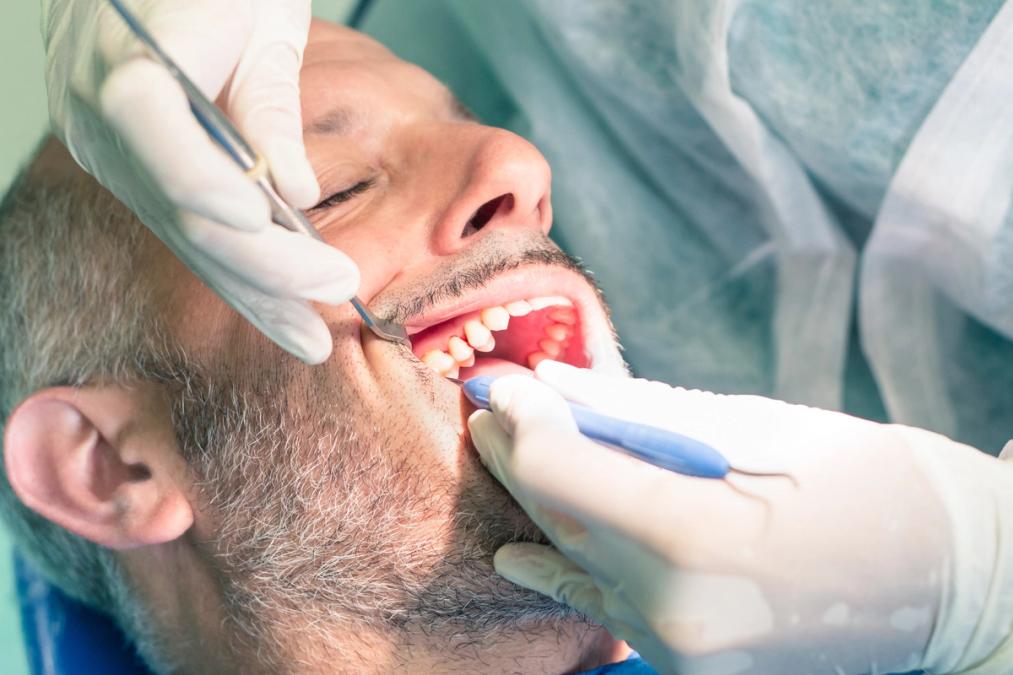
After gentle numbing, your dentist creates a small opening in the tooth and uses delicate instruments to remove the inflamed or infected pulp. The canals are disinfected and shaped, then sealed with a biocompatible material. Many cases finish in one visit; complex roots may take a second appointment. Afterward, a crown often reinforces the tooth—especially back teeth that handle heavy chewing.
Comfort, myths, and reality
Let’s address the elephant in the room. People worry the procedure will hurt. In modern dentistry, local anesthesia and calming techniques make treatment surprisingly routine. Most patients say it feels similar to a long filling, with relief from the original toothache arriving within days. Extracting the tooth might seem faster, but gaps lead to shifting, bone loss, and complex replacements. When you wonder root canals, do I need one?, remember that saving a natural tooth usually preserves chewing power and jawbone better than removing it.
What the evidence and guidelines say
- Success and longevity: The American Association of Endodontists reports high survival rates for well-treated root-canal-treated teeth, especially when restored with a quality crown.
- Comfort and safety: ADA resources show that modern anesthesia and techniques make root canal therapy a predictable way to relieve pain from pulp infections.
- Health matters: NIDCR and peer-reviewed studies emphasize treating dental infections promptly to reduce complications and protect overall health.
These points support a calm, clear answer to root canals, do I need one?—get an exam early and you’ll likely have simpler options.
Aftercare and prevention
Mild soreness for a day or two is common and managed with over-the-counter pain relievers as directed. Avoid chewing hard foods on the treated side until your permanent crown is placed. Long term, brush and floss daily, see your hygienist regularly, and wear a nightguard if you clench. Keeping decay away is the best way to avoid needing another root canal.
Situations that can mimic a root canal problem
Not every sharp twinge is pulp trouble. Sinus pressure, gum infections, or a high spot on a new filling can cause tooth pain. Cracks can be sneaky too—pain on release after biting is a classic clue. If you’re stuck on root canals, do I need one?, an exam with bite tests and precise X-rays sorts out the true source fast.
Cost and timing questions—straight answers
Insurance coverage for a root canal is usually similar to other major treatments; your exact cost depends on your plan and whether the tooth needs a crown. Time-wise, many cases finish in one comfortable visit. But remember, the earlier you come in, the simpler the visit tends to be. Waiting often means bigger problems and bigger fixes.
The bottom line for your peace of mind
If you have persistent pain, swelling, or a history of deep decay, it’s time to ask in person: root canals, do I need one? A focused exam gives you a clear yes or no and a plan to match. Ignoring symptoms rarely makes them go away, and early care almost always saves time, money, and stress.
Benefits (Evidence-Based Highlights)
- High success: AAE data show strong survival rates when teeth are treated and crowned properly.
- Pain relief: ADA guidance supports root canal therapy as a reliable way to resolve pulp-related pain.
- Prevention of spread: NIDCR emphasizes prompt treatment of dental infections to protect oral and overall health.
Still wondering “root canals, do I need one?” Call Summit Family & Cosmetic Dentistry at 908-522-0077 or visit us at 33 Overlook Rd STE 402, Summit, NJ 07901 to Schedule a Consultation and get clear answers fast.