
Wisdom Teeth Removal In Summit, NJ: Safe, Effective Care For Healthy Smiles
Published on May 8, 2026 | 5 minute read
Why Do Wisdom Teeth Cause Trouble For So Many People?
Wisdom teeth, also called third molars, often emerge in the late teens or early twenties. For some, they come in straight and cause no issues, but for many others, they create pain, swelling, crowding, or infection. Understanding the role of wisdom teeth removal can help patients protect their long-term oral health, prevent complications, and maintain a comfortable smile.
At Summit Family & Cosmetic Dentistry in Summit, NJ, wisdom teeth removal is handled with care, precision, and comfort in mind. Whether a tooth is impacted, partially erupted, or creating pressure on other teeth, the goal is to manage it safely and reduce potential complications.
What Are Wisdom Teeth and Why Do They Matter?
Most adults have four wisdom teeth, one in each corner of the mouth. Evolutionarily, these teeth were helpful for chewing coarse foods, but modern diets and smaller jaws often leave little room for them to emerge properly. That is why issues such as impaction, crowding, and infection are common.
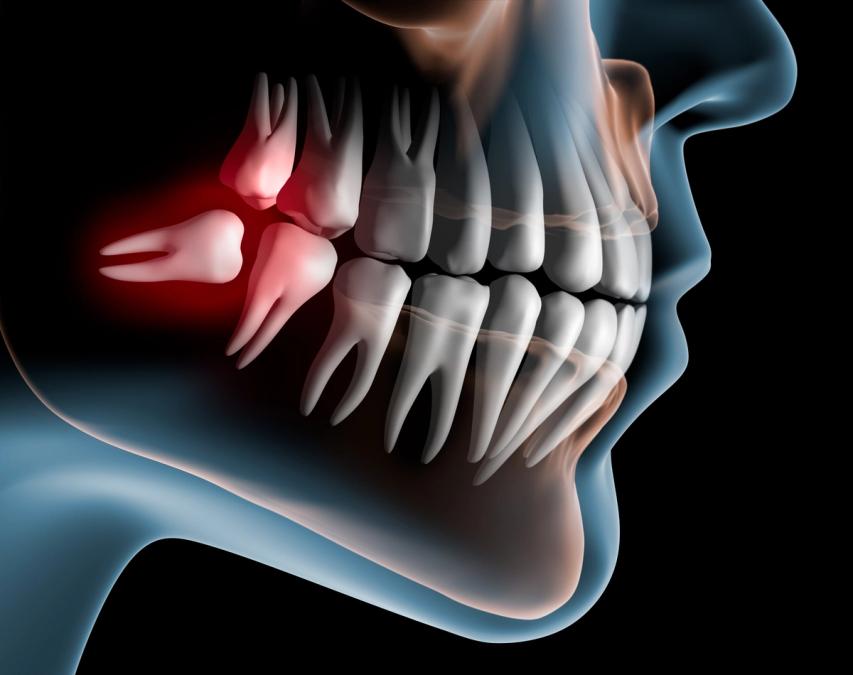
Impacted wisdom teeth do not fully emerge into the mouth or may grow at an angle. They can press against neighboring teeth, creating discomfort or shifting the bite. Partially erupted teeth can trap food and bacteria, leading to infection and swelling. Removing problematic wisdom teeth prevents long-term issues before they escalate.
Signs You May Need Wisdom Teeth Removal
Some common indicators include consistent pain or pressure at the back of the mouth, swelling of the gums, redness or tenderness around the emerging tooth, and difficulty opening the mouth comfortably. In some cases, patients notice recurrent jaw aches or headaches that correlate with the arrival of wisdom teeth.
Even when teeth are not currently causing pain, x-rays may reveal impaction or misalignment. Wisdom teeth removal may be recommended proactively to prevent future complications such as cavities in adjacent teeth, gum disease, or cyst formation.
The Wisdom Teeth Removal Process
Before extraction, a thorough exam and digital imaging help determine the position of the teeth, bone structure, and the best approach. The dentist will discuss anesthesia options, including local anesthesia, nitrous oxide sedation, or oral sedation, to ensure comfort throughout the procedure.
During the removal, teeth may be extracted whole or in sections, depending on their position. For impacted teeth, a small incision may be made to access and remove the tooth. After removal, the area is cleaned and sutured if needed. Post-procedure care instructions focus on managing discomfort, swelling, and ensuring proper healing.
Recovery and Post-Operative Care
Recovery from wisdom teeth removal typically takes several days to a week. Swelling, mild discomfort, and minor bleeding are normal. Ice packs, soft foods, and gentle rinsing with salt water help manage these effects.
Patients are advised to avoid hard, sticky, or hot foods initially. Straws should be avoided for the first few days, as suction can disturb healing tissue. Following the recommended care routine helps prevent complications such as dry socket, which occurs when the blood clot at the extraction site is disrupted.
Regular follow-up ensures proper healing and allows the dental team to address any concerns promptly. With careful care, patients often return to normal activities quickly, enjoying relief from previous discomfort and reducing future oral health risks.
Benefits of Wisdom Teeth Removal
- Prevents future pain and infections from impacted or partially erupted teeth
- Reduces risk of damage to adjacent teeth or misalignment of the bite
- Decreases likelihood of cavities or gum disease caused by hard-to-clean wisdom teeth
- Supports long-term oral health by removing potential sources of chronic irritation
- Improves overall comfort, eating, and jaw function after recovery
If your wisdom teeth are causing discomfort or you want a preventive evaluation, contact Summit Family & Cosmetic Dentistry at 908-522-0077 or visit 33 Overlook Rd STE 402, Summit, NJ 07901 to schedule a consultation for safe and effective wisdom teeth removal.